
20.0.0.1 – 20.0.0.0.1 Admin Login
20.0.0.1 is an IP address used to access the admin panel of certain routers and network devices. To log in, open your browser, type http://20.0.0.1 in the address bar, and press Enter. Use the default username admin and password admin (or check your router label). From there, you can manage your Wi-Fi settings, change passwords, and control connected devices.
If you typed 20.0.0.1 into your browser, you’re probably trying to manage your router or Piso WiFi machine. You’re in the right place.
What Is 20.0.0.1 Used For?
Every router has a default gateway IP address. This is the “door” you open to access your router’s settings. Think of it as the admin office of your internet connection.
When you type 20.0.0.1 In a browser, your router shows you a login page. Once you’re in, you can:
- Change your Wi-Fi name (SSID) and password
- Set bandwidth limits per user
- Block or allow specific devices
- Update your router firmware
- Enable Pause Time (for Piso WiFi users)
- Generate vouchers for customers
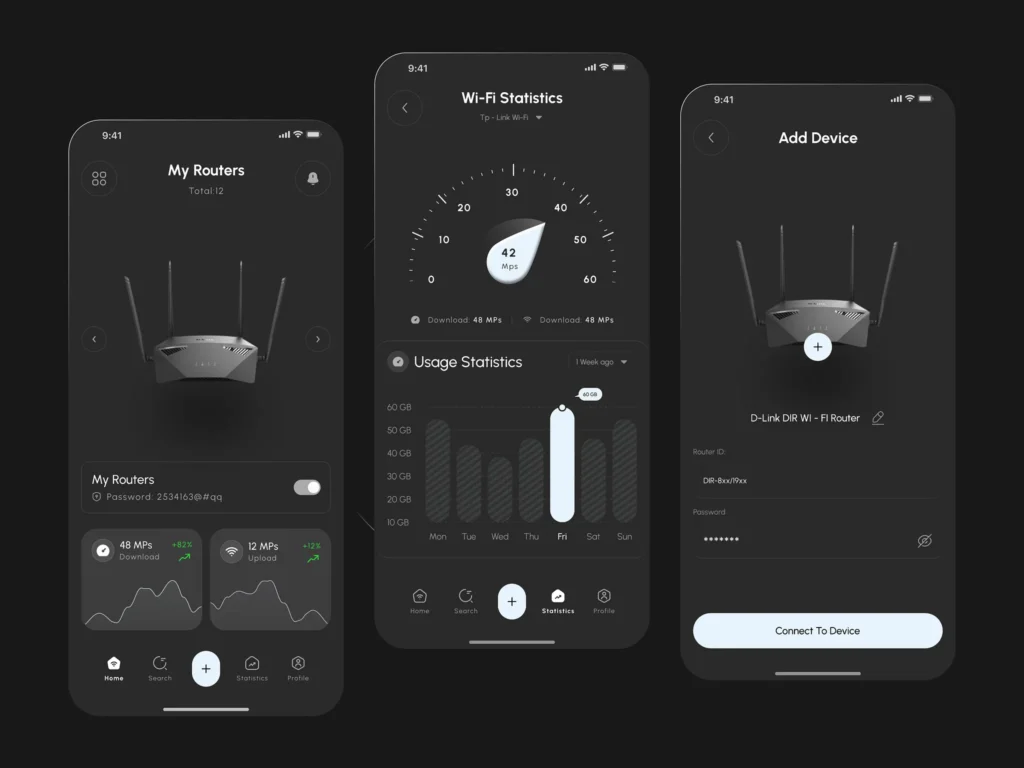
In the Philippines, IP addresses like this are especially important for Piso WiFi vendo machine operators. Piso WiFi machines let customers pay per minute of internet access, and the admin portal is how operators manage everything.
Expert Insight: Router admin IP addresses like 20.0.0.1 are private gateways that only work on your local network; they are not accessible from the internet, which is actually a built-in security feature. Always change your default password on first login.
How to Log In to 20.0.0.1 – Step-by-Step
Follow these steps on any device – phone, tablet, or laptop.
Before you start: Make sure your device is connected to the router (via Wi-Fi or LAN cable).
- Open your web browser. Use Chrome, Firefox, or Safari.
- Type
http://20.0.0.1in the address bar (not in the Google search bar). - Press Enter. A login page should appear.
- Enter your username and password. If you haven’t changed them, use the defaults below.
- Click “Login” or “Sign In.”
- You’re now inside the router admin dashboard.
Pro Tip: Use a wired (LAN cable) connection when making changes. This way, you won’t get kicked off the network if your Wi-Fi resets mid-session.
Default Username and Password for 20.0.0.1
If you’ve never changed your login details, try these:
| Username | Password |
|---|---|
| admin | admin |
| admin | password |
| admin | 123456789 |
| admin | (blank) |
| user | user |
Piso WiFi (LPB) default credentials:
- Username: admin
- Password: 123456789
Can’t find yours? Check the sticker on the back of your router. Most routers print the default IP, username, and password right there.
If someone has already changed the password and you don’t know it, skip to the Factory Reset section below.
How to Change Your Wi-Fi Password via 20.0.0.1
Once you’re logged in:
- Look for “Wireless Settings” or “Wi-Fi Settings” in the menu.
- Find the SSID field — this is your Wi-Fi name.
- Find the Password or Security Key field.
- Type your new password. Use at least 8 characters, mix letters and numbers.
- Click Save or Apply.
- Your router will restart. Reconnect all devices using the new password.
Security reminder: Never use your birthday, “12345678,” or “admin” as your Wi-Fi password. These are the first ones hackers try.
For Piso WiFi Operators: Managing Your Machine via 20.0.0.1
If you’re running a Piso WiFi business in the Philippines, your admin portal is your control center. Here’s what you can do from the dashboard:
⏸️ Pause Time Feature
Pause Time lets customers freeze their remaining session – so if they step away for 5 minutes, they don’t lose that time.
How to enable it:
- Log in to your admin portal at
http://20.0.0.1 - Go to the Pause Time section
- Toggle the feature ON
- Save settings
Customers can then click the “Pause” button on their portal screen and resume later.
🎟️ Voucher Generation
- Go to Voucher Management in your dashboard
- Set the price, duration, and data limit
- Click Generate
- Print or share the voucher codes with customers
📊 Monitoring Users
Your dashboard shows:
- How many devices are connected right now
- How much data each user has consumed
- Session duration per user
- Revenue collected (on supported machines)
Expert Insight: Piso WiFi has become one of the most accessible micro-business models in the Philippines. Operators who actively monitor their admin dashboard – adjusting bandwidth limits and session rates consistently earn more than those who set it up and forget it.
Why Is 20.0.0.1 Not Working? (Troubleshooting)
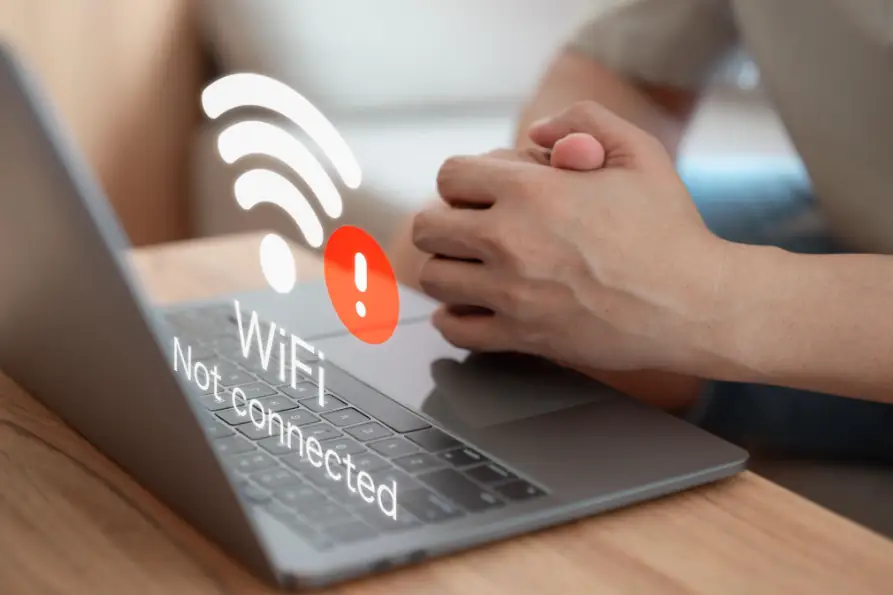
Here are the most common problems and how to fix them:
❌ Page Won’t Load
- Make sure your device is actually connected to that router (not a different Wi-Fi network)
- Try typing
http://20.0.0.1— don’t forget thehttp://part - Clear your browser cache or switch to a different browser
- Restart your router (unplug it, wait 15 seconds, plug it back in)
- Double-check your router’s actual IP — it may be
192.168.1.1,10.0.0.1,10.10.10.1or another address
❌ Wrong Username or Password
- Try all the default combinations listed in the table above
- Check the sticker on the back of your router
- If none work, do a factory reset (see below)
❌ Router Keeps Disconnecting
- Move the router to a well-ventilated spot (overheating is a common cause)
- Check your LAN cable — a loose cable causes random disconnections
- Update the router firmware from the admin panel under “System” or “Maintenance”
❌ Slow Internet for Piso WiFi Users
- Set bandwidth limits per user in your admin panel (QoS settings)
- Use dual-band routers — put heavy users on 5 GHz, casual users on 2.4 GHz
- Check for interference from nearby microwaves or other routers; change the Wi-Fi channel if needed
How to Reset Your Router to Factory Settings
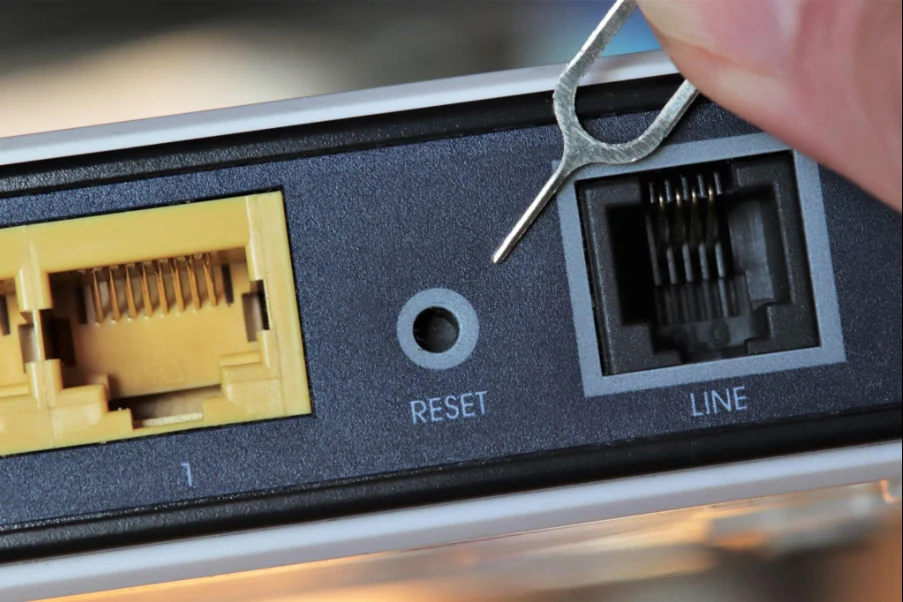
Use this only as a last resort – it wipes all your custom settings.
- Find the small Reset button on the back of your router (usually needs a pin or toothpick)
- With the router turned ON, press and hold the Reset button for 10–15 seconds
- Wait for the router lights to blink and restart
- Your router is now back to factory defaults
- Log back in using the default credentials and reconfigure your settings
How to Find Your Router’s Correct IP Address
Not sure if 20.0.0.1 Is your router’s actual IP? Here’s how to check:
On Windows:
- Press
Win + R, typecmd, press Enter - Type
ipconfigand press Enter - Look for “Default Gateway” — that’s your router’s IP
On Android/iPhone:
- Go to Settings → Wi-Fi
- Tap on your connected network
- Look for “Gateway” or “Router”
Security Tips for Your Router (Don’t Skip This)
Many Filipinos skip these steps and end up with neighbors stealing their bandwidth – or worse.
- Change the default admin password the moment you first log in
- Change your Wi-Fi password every 3–6 months
- Enable WPA2 or WPA3 encryption – never use “None” or “WEP“
- Turn off WPS – it’s a common security hole
- Check connected devices regularly – kick out anyone you don’t recognize
Frequently Asked Questions
Conclusion
20.0.0.1 is your router’s admin door – and now you know exactly how to open it.
Type it in your browser, log in with your credentials, and you’re in control. Change your password, manage your Piso WiFi settings, fix connection issues – it’s all right there in the dashboard.
One thing – never leave your default password unchanged. That’s the only mistake that can cost you.
If something’s not working, reset and start fresh. It takes less than a minute.
Your network, your rules. Log in and take control.